
Growing Hens and Chicks Indoors: What You Need to Know First
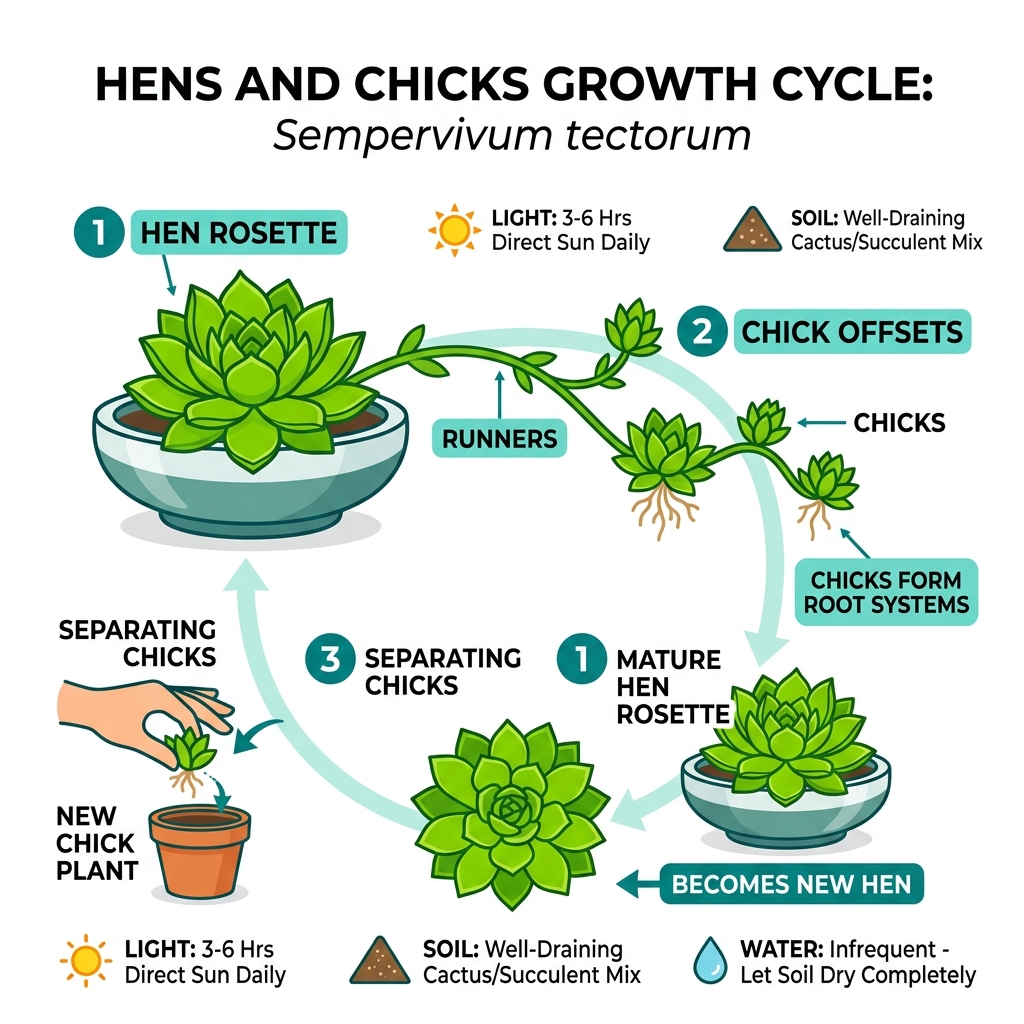
Hens and chicks indoors is absolutely possible — and surprisingly easy. These hardy succulents (Sempervivum tectorum) thrive inside with just a few basic conditions met:
- Light: At least 3-6 hours of direct sun daily, ideally from a south-facing window
- Soil: Well-draining cactus or succulent mix — never moisture-retaining potting soil
- Water: Infrequently — let the soil dry out completely between waterings
- Temperature: 65-75°F (18-24°C) is the sweet spot
- Container: Shallow pot with drainage holes
That’s really it. These plants are famously low-maintenance and, as many gardeners put it, they thrive on neglect. Overwatering is the one thing that will kill them quickly.
So why grow them indoors at all? A few good reasons:
- You can enjoy them year-round, even through harsh winters
- They make striking, low-effort decor in pots, jars, or shallow bowls
- In colder climates (USDA zones 3-8), bringing potted plants inside protects their roots from extreme cold
Whether you want a stylish windowsill display or a reliable winter backup for your outdoor plants, this guide covers everything you need to get it right.
Can You Successfully Grow Hens and Chicks Indoors?
One of the most common questions we hear is: “Can these rugged outdoor survivors actually live in my living room?” The answer is a resounding yes! While Sempervivum tectorum (the most common species of Hens and Chicks) is famous for surviving -35°F winters in places like Wisconsin, they are incredibly adaptable.
Growing hens and chicks indoors allows you to appreciate their intricate rosette patterns up close. In the wild, these plants are “lithophytes,” meaning they often grow in the cracks of rocks with very little soil. This makes them perfect candidates for indoor succulent gardening.
We often recommend keeping a few “chicks” indoors as a biological backup plan. Even though they are hardy in USDA zones 3-11, an unusually wet winter or a freak ice storm can sometimes claim an outdoor colony. By keeping a small pot inside, you ensure your favorite variety lives on no matter what the weather does outside.
Essential Care Requirements for Hens and Chicks Indoors
To keep your plants looking like the vibrant rosettes you see in magazines rather than stretched-out weeds, we need to mimic their natural mountain environment. They love stability, fresh air, and a “tough love” approach to watering.
Temperature and Air Circulation
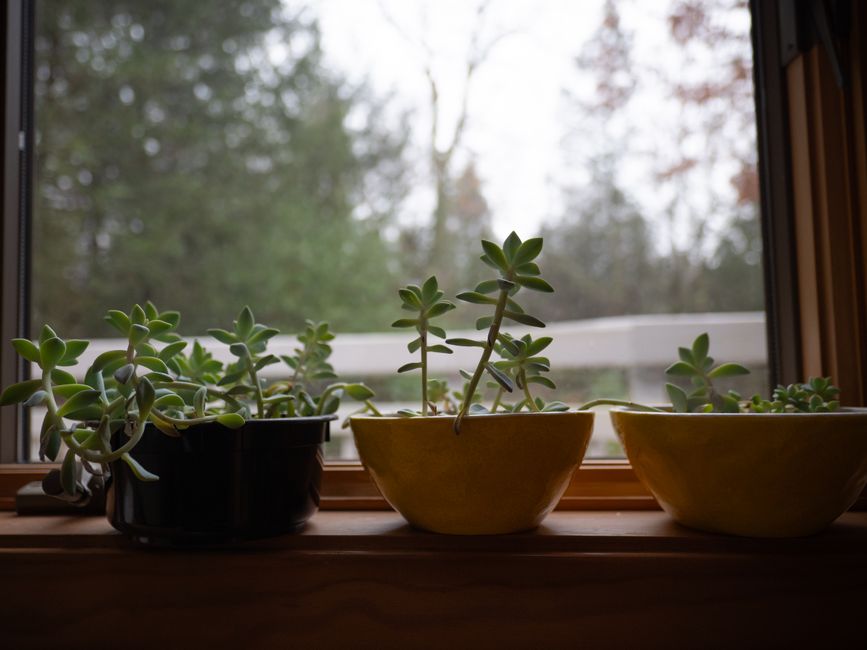
The optimal indoor temperature for these succulents is between 65-75°F (18-24°C). They are quite tolerant, however, and can handle dips down to 60°F or highs up to 80°F without much fuss.
One thing they don’t like is stagnant, humid air. In their native mountain homes, they enjoy constant breezes. Indoors, we recommend placing them in a room with good ventilation. Opening a window for a few hours or using a small ceiling fan can go a long way in keeping your indoor succulents healthy. Avoid placing them directly in front of a dry heat vent or a drafty air conditioner, as extreme temperature fluctuations can trigger unwanted dormancy.
Lighting Needs for Hens and Chicks Indoors
Light is the “food” for your succulent. Without enough of it, the plant will lose its compact shape and vibrant colors.
- The Gold Standard: A south-facing window is the best seat in the house. It provides the most consistent, intense light throughout the day.
- The Minimum: Your plants need at least 6 hours of bright light daily. If they get less than 3-4 hours of direct sun, they will likely start to “stretch” (a process called etiolation).
- The Solution: If your home is naturally dark, don’t worry! You can find many effective indoor succulent lighting ideas to bridge the gap.
For the best results, we suggest using top-quality LED grow lights. Aim for 10-12 hours of artificial light, keeping the bulbs about 6 to 12 inches away from the plants. Understanding light preferences is the secret to maintaining those deep reds and purples that make Sempervivum so famous.
Watering and Soil for Hens and Chicks Indoors
If you are used to watering tropical houseplants every few days, you’ll need to change your mindset for hens and chicks indoors. These plants store water in their thick, fleshy leaves.
The “Soak and Dry” Method:
- Wait until the soil is bone-dry all the way through.
- Pour water onto the soil (not the leaves!) until it runs out of the drainage holes.
- Empty the saucer immediately. Never let the pot sit in standing water.
Overwatering is the number one cause of root rot. If the leaves feel mushy or turn translucent, stop watering immediately! During their fall growth spurt (September to November), they might need a slightly more frequent drink, but in the winter, you can often cut back to once a month. For more details, check out our ultimate guide to watering succulents and learn the proper techniques for succulent health.
Choosing the Right Containers and Soil Mix
Because Hens and Chicks have very shallow root systems (usually only 4-8 inches deep), the container you choose matters more than you might think. We want to avoid “dead space” at the bottom of a deep pot where water can sit and become stagnant.
Pot Material Comparison
| Feature | Terracotta/Clay | Plastic/Ceramic |
|---|---|---|
| Moisture Control | Wicks moisture away; dries fast | Holds moisture longer |
| Breathability | High; excellent for roots | Low; risk of rot if overwatered |
| Aesthetics | Classic, rustic look | Modern, colorful, diverse |
| Best For | Beginners & heavy-hand waterers | Experienced growers |
The Perfect Soil Recipe
Standard “all-purpose” potting soil is the enemy of hens and chicks indoors. It contains too much peat moss, which acts like a sponge. Instead, use a dedicated cactus and succulent mix. If you want to go the extra mile for an achieving a perfect indoor succulent garden, mix your soil with 25% to 50% “grit”—this can be coarse sand, perlite, or pumice. This ensures that water moves through the roots quickly.
Creative Planting Ideas
Because they need so little soil, you can get creative! We’ve seen beautiful displays in:
- Driftwood hollows
- Vintage teacups (if you drill a drainage hole!)
- Shallow cement bowls
- Vertical wall planters
Troubleshooting Common Indoor Growing Issues
Even the most attentive plant parents run into trouble sometimes. Here is how to handle the most common “hiccups” when growing hens and chicks indoors.
1. Moldy Soil
If you see a white, fuzzy film on the soil surface, it’s a sign of two things: too much moisture and too little air. Scrap off the mold, reduce your watering frequency, and increase air circulation with a fan.
2. Stretching (Etiolation)
If your beautiful rosette starts looking like a miniature pine tree, it is “reaching” for light. This is permanent for those specific leaves, but you can fix the future growth by choosing the right light or moving the plant to a sunnier spot.
3. Pests: Mealybugs and Aphids
Indoor plants are more susceptible to pests because they lack natural predators like ladybugs.
- Mealybugs: Look like tiny bits of white cotton in the leaf crevices.
- Aphids: Small, sap-sucking insects that usually cluster on new growth. The Fix: Use a cotton swab dipped in rubbing alcohol to dab the pests away, or spray the plant with Neem Oil.
4. Loss of Color
If your “Sunset” variety is looking plain green, it’s not sick—it just needs more “stress.” In the succulent world, bright light and cooler temperatures trigger the production of anthocyanins (the pigments that create red and purple colors).
Frequently Asked Questions about Hens and Chicks Indoors
Are Hens and Chicks toxic to pets or children?
Great news! Sempervivum tectorum is considered non-toxic to cats, dogs, and humans. In fact, they have a long medicinal history. Much like Aloe Vera, the juice from their leaves has been used for centuries to treat minor burns, stings, and skin irritations. While we don’t recommend making them a staple of your diet (they can cause mild stomach upset if eaten in large quantities), they are a very safe choice for family homes.
Why is my indoor plant losing its color or stretching?
As mentioned, this is almost always a light issue. Window glass filters out a significant portion of the UV rays that succulents need to produce their “suntan” colors. If a south-facing window isn’t enough, supplemental LED lighting is your best friend.
Can I bring my outdoor Hens and Chicks inside for winter?
Yes! If you have a favorite pot on your patio, you can bring it in once the temperatures start to drop. Just be sure to:
- Check for hitchhikers: Inspect the leaves for spiders or aphids.
- Refresh the soil: Sometimes adding a little fresh grit or succulent mix helps the transition.
- Acclimatize them: Move them from the full outdoor sun to a bright indoor spot gradually over a few days to avoid “transplant shock.”
Conclusion
At FinanceBoostX, we believe that bringing a bit of the natural world into your home shouldn’t be a stressful endeavor. Growing hens and chicks indoors is one of the most rewarding ways to start your plant journey. They are resilient, fascinating to watch as they produce their “chicks,” and they add a structural beauty to any room.
If you are ready to take the next step, check out our guide on cultivating your first succulent garden for more inspiration. Happy planting!
