
Why Jade Plant Leaf Propagation Is the Easiest Way to Multiply Your Plants
Jade plant leaf propagation is the process of growing a brand-new plant from a single leaf of a jade plant. Often referred to as the “Money Tree” in feng shui, these succulents are popular symbols of prosperity and financial growth—making them a fitting project for anyone looking to grow their assets, both green and gold.
Here’s a quick overview of how it works:
- Twist off a healthy, plump leaf from a mature jade plant
- Let it callus for a few days on a paper towel
- Lay it on top of well-draining succulent soil
- Wait 2-8 weeks for roots and a tiny plantlet to form
- Pot up the new plant once it reaches 1-2 inches tall
It sounds almost too simple – and that’s exactly the point.
Jade plants are succulents, which means they store water in their leaves. That stored energy is what makes leaf propagation possible. A single fallen leaf has everything it needs to grow into a whole new plant, given the right conditions.
In fact, this is something jade plants do in nature – dropped leaves land on dry soil and quietly develop roots on their own.
For busy plant lovers and budget-conscious decorators, that’s great news. You don’t need special tools, expensive supplies, or a lot of time. With a little patience, one jade plant can become many.
Expect roots to appear in 2-3 weeks, and small plantlets in 6-8 weeks. A full-grown plant can develop from a single leaf within one to two years.

Getting Started with Jade Plant Leaf Propagation
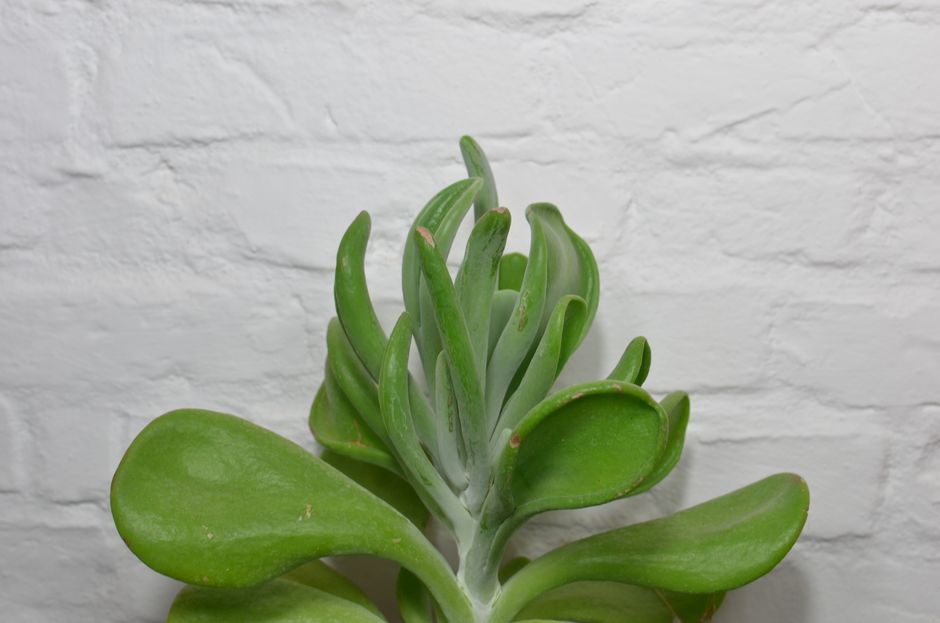
To begin our journey into jade plant leaf propagation, we first need a healthy “mother” plant. Ideally, this plant should be at least two to three years old, as mature plants have the nutrient density required to support a “baby” plantlet from just a single leaf. Think of the mother plant as your principal investment; the healthier it is, the better your “dividends” (the plantlets) will be.
The Best Time of Year
While we can technically propagate indoors year-round, timing is everything if we want speed. The best time to start is during the spring and summer. This is when jade plants are in their active growth phase. During these warmer months, the days are longer and the light is stronger, which triggers the leaf to produce roots much faster. If we try this in the dead of winter, the process might feel like it’s moving at the speed of a “sleepy reptile on a cold rock,” as the plant enters a semi-dormant state.
Selecting the Perfect Leaf
Not all leaves are created equal. To ensure success, we look for leaves that are:
- Plump and Firm: These are full of water and nutrients.
- Deep Green: Avoid yellowing or spotted leaves, which may indicate disease or stress.
- Mature: Choose leaves from the middle of the stem. Very young leaves at the tips often lack the energy to root, while the oldest leaves at the bottom may be nearing the end of their life cycle.
The most critical part of selection is the intact base. The “meristem” tissue – the cells responsible for new growth – is located exactly where the leaf meets the stem. If we tear the leaf or leave a chunk of it behind on the mother plant, the propagation will likely fail.
Leaf vs. Stem Cuttings: Which Is Better?
We often get asked if it’s better to use a leaf or a stem. Both work, but they serve different purposes.
| Feature | Leaf Propagation | Stem Cuttings |
|---|---|---|
| Difficulty | Very Easy / “Lazy” | Easy |
| Quantity | Can produce dozens of plants | Limited by number of branches |
| Speed | Slow (6-8 weeks for plantlets) | Fast (2-3 weeks for roots) |
| Success Rate | High, but sensitive to rot | Very High |
| Best For | Building a large collection on a budget | Salvaging a broken branch |
Step-by-Step Guide to Rooting Jade Leaves
Once we’ve selected our leaves, it is time to get our hands (slightly) dirty. The first step isn’t actually planting – it’s waiting.
The Clean Break and Callusing
To remove the leaf, we use a “twist and snap” motion. We gently grip the leaf and wiggle it side-to-side until it pops off cleanly. Once removed, we must resist the urge to put it straight into soil or water.
We place the leaves upside down on a dry paper towel in a warm spot with indirect light. This is the callusing process. Over the next 3 to 7 days, the open wound where the leaf was attached will dry out and form a hard, callous tissue. This “scab” is vital; it prevents bacteria and fungi from entering the leaf and causing it to rot once it touches the soil.
Expert Tip: Some gardeners like to dust the ends with cinnamon. Cinnamon acts as a natural fungicide, further protecting our little leaf from soil-borne pathogens.
Ideal Soil Mix for Jade Plant Leaf Propagation
Succulents hate “wet feet.” If we use standard potting soil, it will hold too much moisture and turn our leaves into mush. We recommend a gritty, well-draining mix:
- 50% Cactus/Succulent Soil: Provides basic nutrients.
- 50% Perlite or Pumice: Creates air pockets and ensures rapid drainage.
A 1/4-inch particle size is ideal for the gritty components. This mimics the rocky, dry environment of South Africa where jade plants originate.
Proper Placement and Initial Care
Once callused, we prepare a shallow tray with our pre-moistened soil mix. We don’t bury the leaf! Instead, we lay it flat on the surface or prop it up at a 30-degree angle so the callused end is just barely touching the soil.
We take a “hands-off” approach here. The leaf contains all the water it needs for now. We place the tray in a warm spot with bright, indirect light. Direct afternoon sun can “cook” the leaves, while too little light will result in weak, leggy growth.
Optimizing Conditions for Success
Success in jade plant leaf propagation depends heavily on the environment. We want to mimic a Mediterranean climate – warm and relatively dry.
Temperature and Humidity
The “sweet spot” for temperature is between 60°F and 77°F (15-25°C). While jade plants can tolerate cooler nights, they root most enthusiastically when it’s warm.
One common mistake is using a humidity dome or plastic bag. While this works for tropical plants, it is a death sentence for jade leaves. Jade plants are highly sensitive to humidity; trapped moisture leads to black rot. We ensure there is plenty of air circulation around our propagation tray.
Timeline for Jade Plant Leaf Propagation Success
Patience is a virtue in the succulent world. Here is what we can expect to see:
- Weeks 1-3: Tiny pink or white root nubs emerge from the callused end.
- Weeks 4-7: A miniature rosette (the plantlet) begins to form.
- Months 2-6: The “mother leaf” will begin to shrivel, yellow, and eventually dry up. This is normal! It is sacrificing its stored nutrients to feed the baby plant.
- Year 1-2: We will have a recognizable, multi-leaf jade plant ready for a permanent home.
Watering Schedules and Troubleshooting
When do we water? Not until we see roots! Before roots appear, the leaf has no way to drink, and adding water only increases the risk of rot.
Once roots are visible, we can begin misting the soil surface every few days or whenever the top 1/4 inch of soil feels dry. We want the roots to “reach” for the moisture.
Watch out for these red flags:
- Yellow/Mushy Leaves: This is a sign of overwatering or lack of a proper callus. Discard these immediately so the rot doesn’t spread.
- Blackened Bases: Usually indicates a fungal infection.
- Shriveling without Roots: The leaf might be too old or the environment too hot/dry.
For more detailed strategies on keeping your succulents thriving and your home-based investments growing, check out our more info about propagation tips.
Frequently Asked Questions
Can you propagate jade leaves in water?
You certainly can, but it isn’t always recommended for leaves. Water propagation is fun because it’s visual – you can see the roots grow through a glass jar. However, leaf cuttings are hard to keep upright in water, and if the leaf body slips in, it will rot quickly. Furthermore, “water roots” are structurally different from “soil roots.” When you eventually move a water-rooted jade to soil, it often goes into shock and may fail to thrive. Soil propagation is generally more reliable.
Why is my jade leaf shriveling without rooting?
This is usually caused by one of three things:
- Damaged Base: If the leaf didn’t come off the stem perfectly intact, it won’t have the “instructions” to grow roots.
- Too Much Sun: Intense light can dehydrate the leaf before it has a chance to root.
- Immature Leaf: If the leaf was too small or young, it simply ran out of gas before it could finish the job.
When should I pot up my new jade plantlets?
We wait until the new plantlet is about 1 to 2 inches tall and the original mother leaf has completely dried up and fallen off. At this stage, the baby plant has its own established root system. We move them into individual small pots (2-3 inches) with drainage holes. Terracotta pots are excellent for jades because they are porous and help the soil dry out faster.
Conclusion
Multiplying your plant collection through jade plant leaf propagation is one of the most rewarding “lazy” gardening projects you can undertake. It’s a sustainable and budget-friendly way to grow gifts for friends, fill up empty shelves, or even start a mini-bonsai collection without spending a fortune at the nursery.
By following these simple steps – selecting healthy leaves, allowing them to callus, and providing the right mix of light and gritty soil – you’ll soon have a “plentitude of plants” to enjoy.
If you’re ready to expand your indoor jungle and your personal prosperity, start your jade propagation journey today and discover the magic of succulent resilience! Happy growing from all of us at FinanceBoostX.
