
Why Most Indoor Succulents Struggle (And How a Lighting Kit Fixes It)
A beginner succulent lighting kit is the fastest way to keep indoor succulents healthy, compact, and colorful — especially if your home doesn’t get strong natural light.
Here’s a quick look at what to know before you buy:
| What You Need to Know | Quick Answer |
|---|---|
| Best light type | Full-spectrum LED grow light |
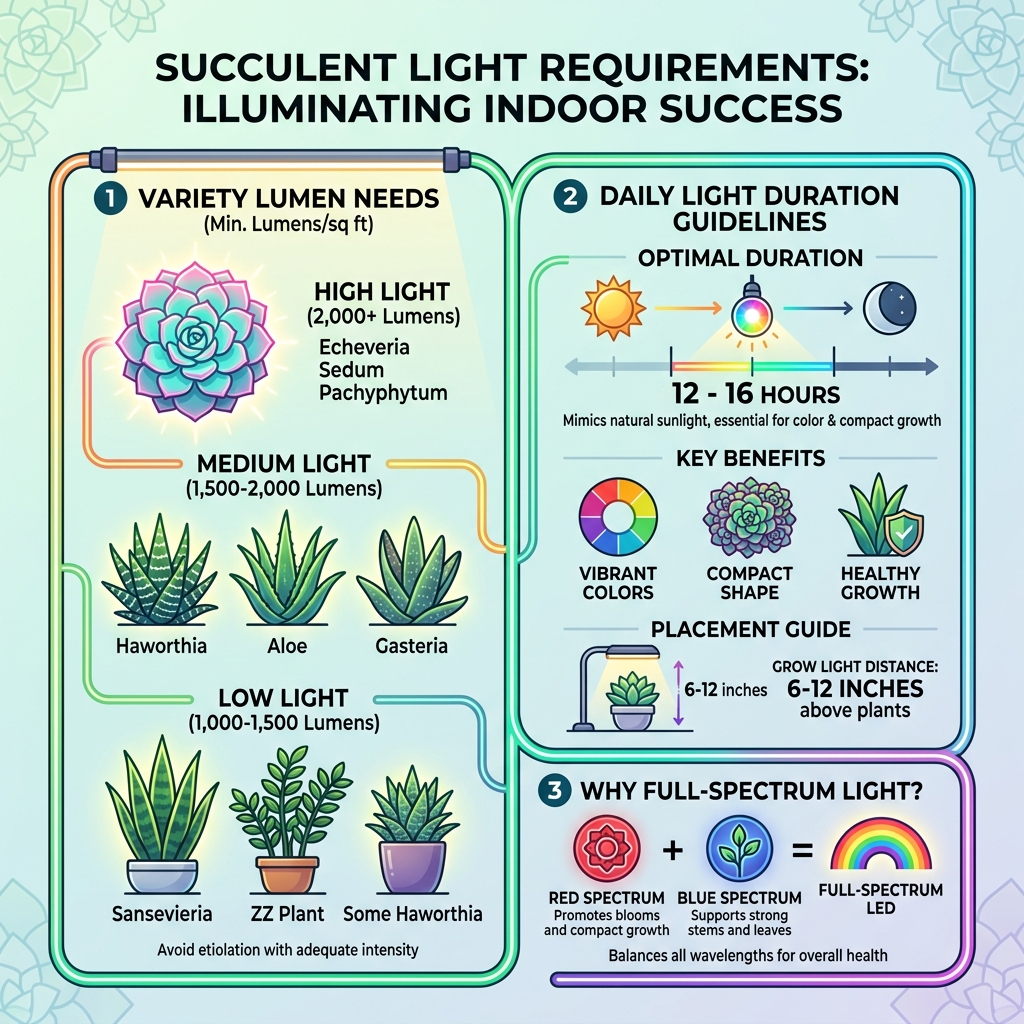
| Light duration | 12-16 hours per day |
| Distance from plants | 6-12 inches above succulents |
| Minimum light intensity | 1,500-2,000+ lumens/sq ft for most varieties |
| Budget starting point | ~$17-$30 for basic shop light setups |
| All-in-one kit option | Compact LED kits with integrated planters available online |
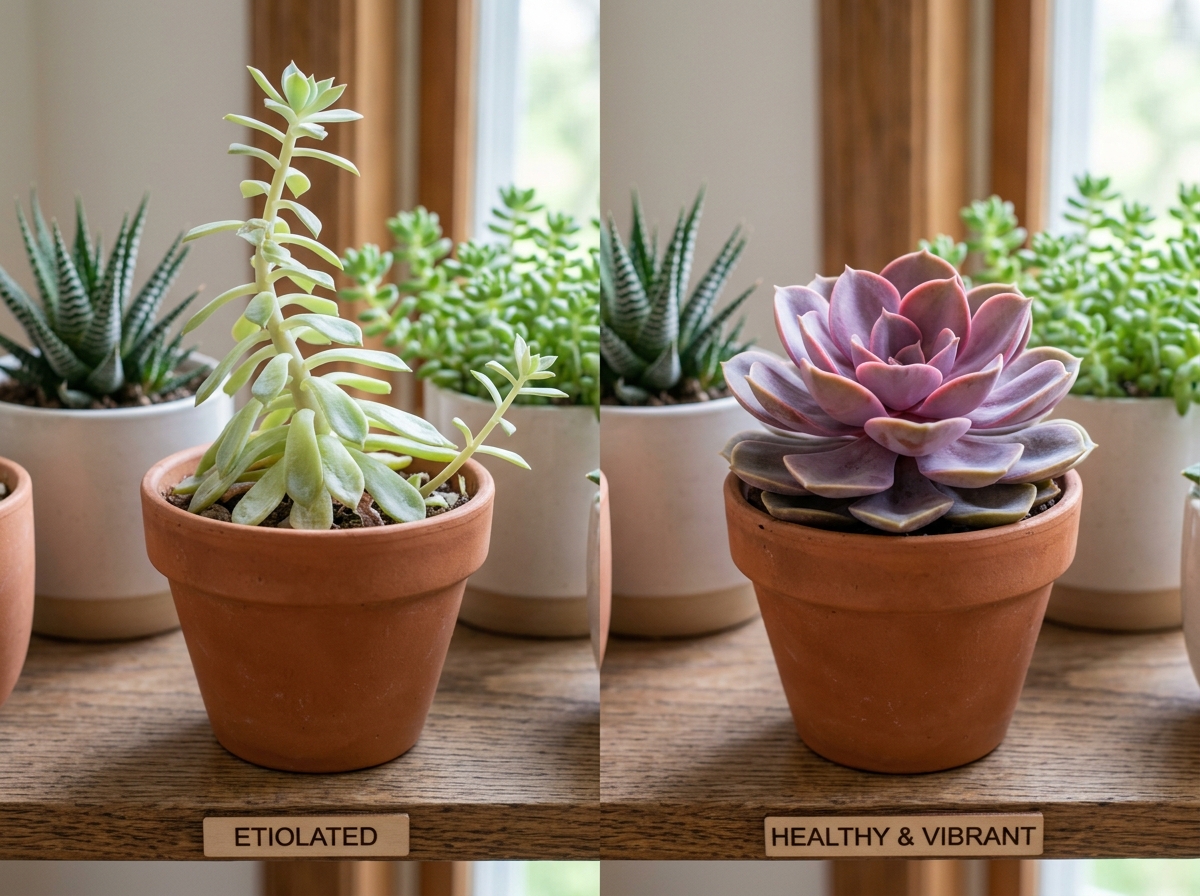
Succulents evolved in bright, sun-drenched environments. Indoors, most rooms simply can’t match that intensity — even a sunny windowsill often falls short. The result? Your plants start stretching toward any available light source, growing tall and spindly in a process called etiolation. Colors fade. Compact rosette shapes collapse. And once etiolation happens, that distorted growth is permanent.
The good news: the fix is simple and affordable. A basic lighting kit gives your plants the consistent, full-spectrum light they need to stay compact, vibrant, and low-maintenance — which is exactly what a busy homeowner wants.
Why Your Indoor Garden Needs a Beginner Succulent Lighting Kit
If you have ever bought a beautiful, tight rosette of an Echeveria only to have it look like a Dr. Seuss tree a month later, you have witnessed etiolation. This is the plant’s desperate cry for help as it stretches its stem to find a light source. Without a beginner succulent lighting kit, most indoor environments simply cannot provide the 6 to 8 hours of direct, intense sunlight these desert-dwellers crave.
Beyond just preventing stretching, proper lighting is the “secret sauce” for color vibrancy. Many succulents produce “stress colors”-beautiful pinks, reds, and purples-as a protective reaction to high light. When they sit in a dim corner, they revert to a plain, dull green to maximize chlorophyll production for survival.
As we discuss in our guide on Indoor Succulent Success: The Role of Light, seasonal changes also play a massive role. During winter, days shorten and the sun sits lower in the sky. A dedicated lighting kit ensures your “plant babies” don’t go into a downward spiral during the darker months. For a simple scientific overview of how plants turn light into energy, see Photosynthesis.
Essential Components of a Beginner Succulent Lighting Kit
When you are shopping for your first setup, you might see everything from $15 bulbs to $1,000 bamboo furniture installations. For a true beginner, a functional kit should include these core items:
- Full-Spectrum LED Grow Light: This is the engine of your setup. Unlike regular bulbs, these provide the specific blue and red wavelengths needed for photosynthesis.
- Automatic Timer: Consistency is king. Succulents need a regular “day/night” cycle to process energy. A timer ensures they get their 12-14 hours of “sun” even if you sleep in or stay out late.
- Adjustable Stand or Mounting Hardware: Light intensity drops off quickly as you move away from the bulb. You need a way to keep the light 6-12 inches from the top of the plants.
- Reflective Surfaces: While not always built-in, using a reflective lining or a white shelf can increase light efficiency by 20-30% by bouncing stray rays back onto the leaves.
Understanding Spectrum and Intensity for Beginners
Don’t let the science jargon scare you. When looking at a beginner succulent lighting kit, focus on two main numbers: Lumens and Spectrum.
- Lumens: This measures visible light. For high-light succulents like Cacti and Echeveria, aim for 1,500-2,000+ lumens per square foot. Lower-light varieties like Haworthia can thrive on 300-800 lumens.
- Daylight Spectrum: Look for lights labeled “5000K” or “6500K.” This mimics natural noon-day sun.
- PPFD (Photosynthetic Photon Flux Density): This is the gold standard for pros, measuring how many “light particles” actually hit the plant. As a beginner, just remember that more intensity is usually better for succulents, provided you don’t place the light so close that it cooks the leaves.
As noted in our article on Understanding Light Preferences for Indoor Succulents, getting the intensity right is the difference between a plant that merely survives and one that actually thrives and blooms.
Choosing the Right Technology: LED vs. Fluorescent
In the battle of light technology, LED is the undisputed heavyweight champion for beginners. While old-school fluorescent tubes (like T5s) were the standard for years, LED technology has leaped ahead in every category.
Why we recommend LED for your beginner succulent lighting kit:
- Efficiency: LEDs consume 40-70% less electricity than fluorescent alternatives. This keeps your monthly power bill from skyrocketing.
- Longevity: A quality LED can last over 50,000 hours. That is roughly 10 years of use if you run them 14 hours a day!
- Heat Management: Succulents like warmth, but they hate being baked. LEDs run much cooler than fluorescents, reducing the risk of leaf scorch.
- Spectrum Control: Modern LEDs can be tuned to provide the perfect “Full Spectrum” white light, which is much more pleasant to have in your living room than the old “blurple” (pink/purple) lights.
Check out How to Choose the Right Light for Your Indoor Succulents for a deeper dive into why LED is the smart choice for your wallet and your plants.
Common Mistakes to Avoid with Your Beginner Succulent Lighting Kit
Even with the best gear, it is easy to make a few “rookie” errors. We have seen it all, and here is how to avoid the pitfalls:
- The “Slow Fade” (Distance): Placing a light three feet above a succulent is basically like giving it no light at all. Most beginner-grade LEDs need to be within 6–10 inches of the plant to be effective.
- The “All-Nighter”: Plants need sleep! They perform vital metabolic processes in the dark. Never leave your lights on 24/7. Stick to a 12–16 hour cycle.
- Sudden Sunburn: If your plant has been in a dark corner for months, don’t blast it with 14 hours of high-intensity LED on day one. Gradually increase the time over a week to prevent “light burn” (white or brown crispy patches).
- Inconsistent Schedules: Succulents love routine. Using a manual switch usually leads to forgotten days. As we emphasize in Shining a Light on Indoor Succulent Care, a $10 plug-in timer is the best investment you can make.
Setting Up Your Beginner Succulent Lighting Kit for Success
Setting up your kit doesn’t have to be a major construction project. Many beginners start with a simple DIY shelf setup or a pre-packaged “all-in-one” kit.
Step-by-Step Setup:
- Choose Your Space: A cool, dry area is best. If you’re using a shelf, ensure it can handle the weight of pots and soil.
- Mount Your Lights: Use zip ties, chains, or the provided clips to secure your LED strips. If you’re using a 4-foot shop light, two bulbs per shelf usually provide enough “oomph” for a standard collection.
- Position Your Plants: Group your plants by height. Taller cacti should be at the ends, while shorter rosettes should sit directly under the brightest part of the bulb.
- Set the Distance: Aim for 6–12 inches. If you notice your plants turning pale or stretching, move them closer. If you see brown spots, back off a few inches.
- Set the Timer: Program your lights to run for roughly 14 hours. A 6:00 AM to 8:00 PM schedule works well for most households.
For more inspiration on creative setups, see our guide on how to Bring Indoor Succulents to Life with Proper Lighting.
Caring for Succulents Under Artificial Lights
Growing under lights changes the “rules” of succulent care slightly. Because your plants are getting consistent “sunlight,” they will grow faster and use more water than a plant sitting in a dark hallway. However, they are still succulents, which means they are very easy to kill with kindness (overwatering).
The Soak-and-Dry Method: Always wait until the soil is bone-dry all the way to the bottom of the pot. Under strong LEDs, you might find yourself watering every 7–10 days, but always check the soil first!
Variety Matters: Not all succulents have the same light appetite. Use this table to help organize your display:
| Light Level | Succulent Varieties | Placement Strategy |
|---|---|---|
| High Light | Cacti, Echeveria, Sedum, Agave | Directly under the center of the light (6″ away) |
| Medium Light | Jade (Crassula), Aloe, Kalanchoe | Slightly off-center or 10-12″ away |
| Low Light | Haworthia, Gasteria, Snake Plants | Ends of the light tubes or 15″+ away |
For a complete breakdown of indoor care, refer to our Beginners Guide to Indoor Succulent Gardening.
Frequently Asked Questions about Succulent Lighting
Can I use regular household LED bulbs for my succulents?
Generally, no. While a standard “daylight” bulb is better than total darkness, it lacks the intensity and specific PAR (Photosynthetically Active Radiation) values that succulents need to stay compact. You are much better off with a dedicated beginner succulent lighting kit designed for plants.
How do I know if my succulent is getting too much light?
Watch for “bleaching”—the leaves will turn a pale yellow or white. In extreme cases, you’ll see brown, crispy “scabs” on the leaves that face the light. If this happens, simply raise the light or move the plant further to the side.
Do succulents need a period of darkness at night?
Yes! Succulents use a special type of photosynthesis called CAM (Crassulacean Acid Metabolism). They actually “breathe” (exchange gases) at night when it is cooler to prevent water loss. Without 8–12 hours of darkness, their growth will eventually stall.
Conclusion
Building your first indoor garden is a rewarding journey, but it all starts with a solid foundation. A beginner succulent lighting kit is the “brick” that supports everything else — from vibrant colors to healthy growth. Whether you opt for a stylish all-in-one LED grow light garden or a budget-friendly DIY shop light setup, the results will speak for themselves.
At FinanceBoostX, we believe that indoor gardening should be accessible, sustainable, and fun. By choosing the right lighting today, you are ensuring a lush, green home for years to come. Ready to take the next step? Start your indoor setup journey today and watch your collection beam!
