
Why Sedum Plants Need the Right Watering Method
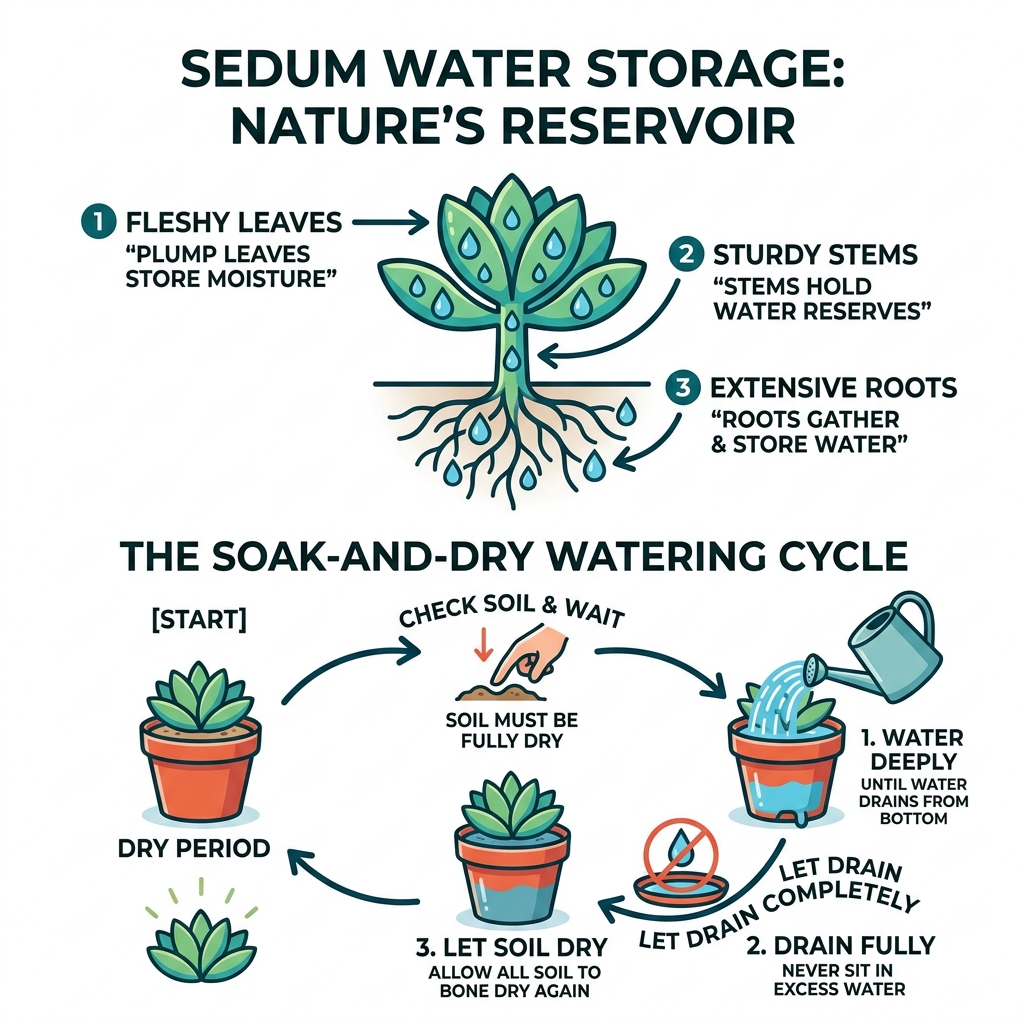
The sedum plant soak method is the most effective way to water your sedum: soak the soil completely, let it drain fully, then wait until the soil is bone dry before watering again.
Quick answer for sedum watering:
- Check that the top 1-2 inches of soil are completely dry
- Water deeply until it drains from the bottom of the pot
- Let all excess water drain away — never let the pot sit in water
- Wait until the soil dries out fully before the next watering
- In summer, this is roughly every 7-10 days; in fall and winter, every 2-3 weeks
Sedum — also called stonecrop — is a genus of succulent plants. That means it stores water inside its thick, fleshy leaves, stems, and roots. It’s built to survive dry spells.
That’s great news if you’re busy. But it also means sedum is surprisingly easy to overwater. And an overwatered sedum will decline far faster than one that’s been left a little too dry.
Most people water their plants too often. With sedum, that’s the number one mistake.
Why the Sedum Plant Soak Method is Essential for Succulents
When we talk about the sedum plant soak method, we are essentially mimicking the natural environment where these hardy plants evolved. Most sedums are native to regions where rainfall is infrequent but heavy. They experience a “monsoon” followed by a long period of drought.
By using the watering-succulents-the-soak-and-dry-method, we are giving our plants exactly what their biology expects. Giving a succulent “little sips” of water every few days is one of the quickest ways to kill it. Why? Because frequent, shallow watering leads to a weak, shallow root system. It also keeps the soil surface constantly damp, which is an open invitation for fungus gnats and root rot.
When we soak the soil completely, we ensure that moisture reaches the very bottom of the pot. This encourages the roots to grow downward, searching for that deep hydration. During the “dry” period that follows, the plant isn’t just sitting around; it’s actually developing a larger, healthier root system to better withstand the next “drought.” This cycle makes the plant incredibly resilient.
Succulents do not like to sit in wet soil for more than 2-3 days. The goal of the soak and dry method is to provide deep saturation followed by rapid drying. This balance is the secret to those plump, vibrant leaves we see in healthy Burro’s Tails and other stonecrops.
Identifying Thirst: When Does Your Sedum Need a Drink?
Knowing when to pull out the watering can is an art form, but it’s one we can all master. We shouldn’t water on a strict calendar schedule because environmental factors like humidity, light, and temperature change constantly. Instead, we need to learn the understanding-succulent-watering-needs by looking at the plant itself.
The Finger Test
This is the most reliable “low-tech” way to check moisture. Stick your index finger into the soil. For garden sedums, check the top 2 inches. For potted plants, check the top 1 inch. If you feel any moisture at all, put the watering can away! We want that soil to feel bone-dry, like a desert.
Visual and Tactile Cues
Your sedum will tell you when it’s thirsty if you know what to look for:
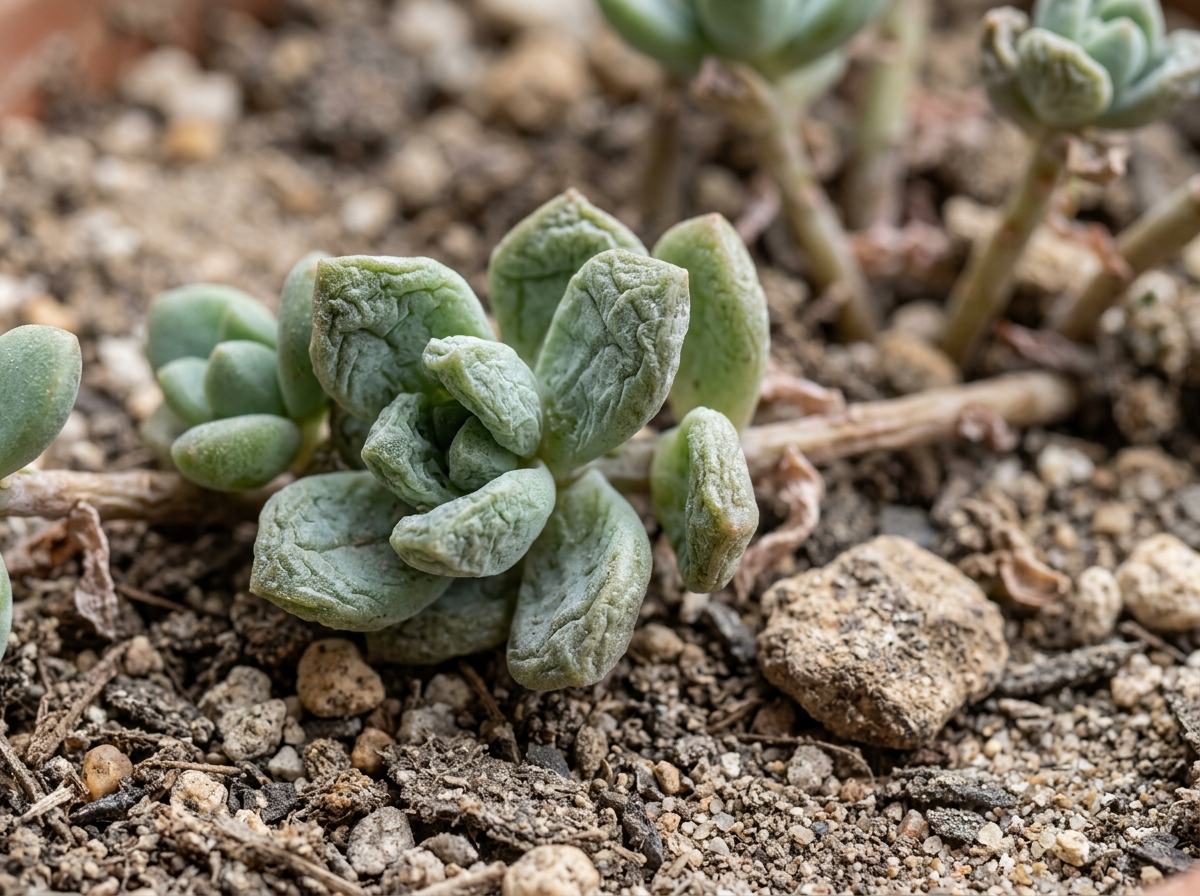
- Wrinkled Leaves: Healthy sedum leaves are plump and smooth. When they start to look like tiny raisins or develop shriveled “skin,” the plant is using up its stored water reserves.
- Loss of Plumpness: Gently squeeze a leaf (be careful with Burro’s Tail, as the leaves fall off easily!). If it feels soft or flexible rather than firm and turgid, it’s time for a soak.
- Color Changes: Some sedums may lose their vibrant luster or turn a slightly duller shade when they are extremely parched.
- Drooping: While some sedums are naturally trailing, a sudden “wilt” or droop in an upright variety often indicates the soil is too dry to support the stem’s weight.
Step-by-Step Guide to Effective Hydration
Now that we know why and when, let’s talk about how. Using proper-watering-techniques-for-succulent-plants ensures that the water actually gets to where it needs to go without causing damage.
Preparing for the Sedum Plant Soak Method
Before you start, gather your tools. You’ll want a watering can with a long, narrow spout or even a squeeze bottle. This helps you direct water specifically to the soil and avoid getting the leaves wet. Water trapped between fleshy leaves can lead to rot or fungal issues.
Always use lukewarm or room-temperature water. Frigid water straight from the tap can shock the roots of a plant that prefers a warm, sunny climate.
Executing the Sedum Plant Soak Method
There are three main ways to execute a proper soak. Choose the one that fits your setup:
The Traditional Top Soak:
- Pour water slowly onto the soil surface around the base of the plant.
- Continue until you see water trickling freely out of the drainage holes at the bottom.
- Wait a few minutes, then pour a little more to ensure the root ball is fully saturated.
- Crucial Step: Empty the drainage tray after 15 minutes. Never let your sedum sit in a puddle.
The Bottom Soaking Method:
- This is excellent for plants where the soil has become so dry it has pulled away from the edges of the pot.
- Place your pot into a tray or sink filled with about 1-2 inches of water.
- Let the plant sit for 10-30 minutes. The soil will “wick” the water upward through the drainage holes.
- Once the top of the soil feels moist, remove the pot and let it drain thoroughly.
- Expert Tip: Bottom watering doesn’t wash away mineral salts. Every few waterings, do a top soak to flush out any buildup.
The Water Bath (The “Deep Soak”):
- For severely dehydrated plants, fill a bucket with lukewarm water.
- Lower the entire pot into the water until the water level reaches just below the plant’s stem.
- You’ll see bubbles rising—this is air being pushed out of the soil.
- Once the bubbling stops, lift the pot out and let it drain for at least an hour before putting it back on its saucer.
For more detailed tips, check out our guide on demystifying-succulent-watering-tips-for-healthy-plants.
Seasonal Adjustments and Propagation Care
One of the biggest mistakes growers make is watering the same way all year round. Sedums are highly seasonal.
Summer vs. Winter
During the hot summer months, sedums are often in their active growth phase. If they are outdoors in full sun, they may need a soak every 7-10 days. Indoors, many growers find that watering every 14-21 days is a sweet spot.
However, in the fall and winter, many sedums go dormant. Their metabolism slows down significantly, and they require much less water. During this time, you might only need to water once every 3-4 weeks. If the air is particularly humid or cool, you can wait even longer. Overwatering during dormancy is the leading cause of winter root rot. You can learn more about these cycles in our article on how-often-should-you-water-your-succulents.
Caring for Propagations
Watering a mature Burro’s Tail is very different from watering a new cutting.
- Cuttings: Sedum cuttings usually take 2-3 weeks to root. During this time, they don’t have roots to “soak” up water. Instead of the soak and dry method, we recommend keeping the soil surface slightly damp. A light misting or a small squeeze of water every few days keeps the environment humid enough to encourage root growth.
- Established Babies: Once you feel resistance when you gently tug on a cutting (meaning roots have formed), you can slowly transition them to the standard sedum plant soak method.
Preventing Rot: The Role of Soil and Drainage
You can have the perfect watering technique, but if your soil is wrong, your sedum will still struggle. The the-role-of-drainage-in-succulent-watering cannot be overstated.
The Gritty Mix
Standard potting soil is designed to hold onto moisture—which is the exact opposite of what a sedum wants. We recommend a mix that is roughly 2/3 inorganic material (like perlite, pumice, or coarse sand) and 1/3 organic material (like coconut coir or pine bark). This “gritty” texture allows water to flow through quickly and creates air pockets for the roots to breathe.
The Right Pot
Always use a pot with at least one large drainage hole. Terracotta is a favorite for many succulent enthusiasts because the porous clay allows moisture to evaporate through the walls of the pot, helping the soil dry out faster. If you use plastic or glazed ceramic, you must be even more diligent about ensuring the soil is dry before watering again.
Troubleshooting Common Sedum Watering Issues
Sometimes things go wrong. If your plant looks unhappy, use this table to determine if you are dealing with a “too much” or “too little” water situation.
| Symptom | Likely Cause | Solution |
|---|---|---|
| Mushy, translucent leaves | Overwatering | Stop watering immediately. Check for root rot. Repot in dry, gritty soil. |
| Black or brown stem base | Root/Stem Rot | This is an emergency. Cut off healthy tops to propagate and discard the rotted base. |
| Shriveled, dry, crispy leaves | Underwatering | Give the plant a deep “water bath” soak. Increase frequency slightly. |
| Yellowing leaves that fall off easily | Overwatering | Check soil moisture. Ensure the pot isn’t sitting in water. |
| Leaves dropping from the bottom up | Natural aging or Underwatering | If the top looks healthy, it might just be old. If the whole plant is dry, soak it. |
For a deeper dive into saving your plants, refer to the-ultimate-guide-to-watering-succulents.
Frequently Asked Questions about Sedum Watering
Can I use tap water for the soak method?
Most sedums are quite hardy and can handle tap water. However, if your tap water is very “hard” (high in minerals), you might see white crusty spots on the leaves or the rim of the pot. If possible, use rainwater or distilled water. If using tap, let it sit out overnight to allow some of the chemicals like chlorine to dissipate.
How do I water sedum planted in the ground?
Ground-planted sedums are generally more drought-tolerant than container plants because their roots can go deeper. During the first few weeks after planting, keep them moist. Once established, they usually only need supplemental water during prolonged dry spells or extreme heat. Use a hose to soak the ground until it’s damp about 4 inches deep, then leave it alone!
Why is my sedum flopping over after watering?
If an upright sedum flops over, it’s often a sign of “leggy” growth caused by too much water and too little light. When a plant gets too much nitrogen or water without enough sun, it grows fast and weak, and the stems can’t support the weight of the water-filled leaves. Move it to a sunnier spot and cut back on the watering frequency.
Conclusion
Mastering the sedum plant soak method is the single best thing we can do for our succulent collection. By respecting the plant’s natural need for a deep drink followed by a thorough dry-out, we create an environment where species like the Burro’s Tail can truly thrive.
At FinanceBoostX, we believe that gardening should be a source of joy, not stress. With the right soil, a pot that drains well, and a little bit of patience, your sedums will reward you with years of beautiful, fleshy foliage and stunning blooms.
