
Turn Any Wall Into Living Art With a Vertical Succulent Garden DIY
A vertical succulent garden diy is one of the easiest ways to add bold, low-maintenance greenery to your home — no big yard or green thumb required.
Here’s how to build one in 6 steps:
- Prepare your frame — use a shadow box or picture frame (at least 2–3 inches deep)
- Drill drainage holes in the bottom to prevent root rot
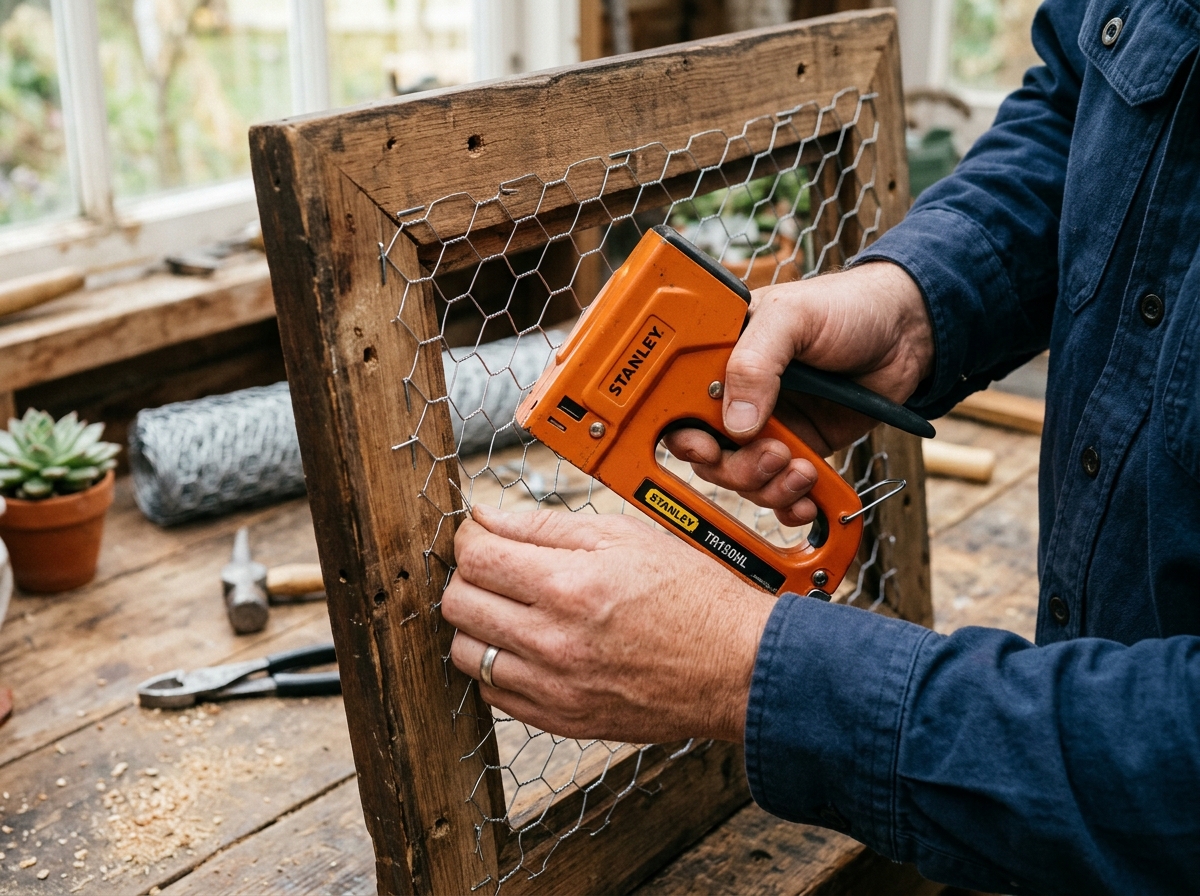
- Staple chicken wire across the front of the frame
- Fill with growing medium — cactus soil or sphagnum moss both work well
- Plant your succulents by pushing roots through the wire mesh
- Let it lay flat for 2–4 weeks so roots establish before hanging
That’s the core of it. The sections below cover every detail — materials, best plants, care tips, and design ideas.
Succulents are ideal for vertical growing. They’re drought-tolerant, lightweight, and come in hundreds of shapes and colors. Unlike leafy plant walls that need constant watering and upkeep, a succulent wall can go 10–14 days between waterings once established.
The result? A striking piece of living wall art that looks like it belongs in a boutique hotel — built for well under $150.
Whether you’re working with a tiny apartment balcony or a bare indoor wall, this project fits your space and your schedule.
Essential Materials for Your Vertical Succulent Garden DIY
Before we roll up our sleeves and get our hands dirty, we need to gather the right supplies. The beauty of a vertical succulent garden diy is that it can be as high-tech or as “thrifty” as you like. Many enthusiasts find their best frames at thrift stores or in the clearance aisle of craft stores.
Here is the essential kit list:
- The Container: A shadow box or a deep picture frame is the foundation. Aim for a depth of at least 2 to 4.5 inches to allow enough room for roots to grow.
- Chicken Wire: Also known as hex mesh. A 1/2-inch grid is ideal—it’s small enough to hold the soil in but large enough to poke succulent stems through.
- Hardware: A heavy-duty staple gun and staples are non-negotiable for securing the wire. You’ll also need a drill for drainage and potentially a hammer and brad nails if you are building your box from scratch.
- Growing Medium: This is the “engine” of your garden. You have two main choices: cactus soil or sphagnum moss.
- Succulents: You can use nursery starts, but many DIYers save money by using clippings from their own garden or “borrowing” a few snips from a friend’s overgrown planter.
- Safety Gear: Don’t skip the gloves! Handling chicken wire is a surefire way to get a few “battle scars” if you aren’t careful.
When choosing your growing medium, consider the weight and mess factor. While cactus soil provides more nutrients, sphagnum moss is significantly lighter and stays put better when the frame is tilted vertically.
Comparison: Cactus Soil vs. Sphagnum Moss
| Feature | Cactus Potting Soil | Sphagnum Moss |
|---|---|---|
| Weight | Heavy (especially when wet) | Very Lightweight |
| Nutrients | High; better for long-term growth | Low; may require liquid fertilizer |
| Mess Factor | Can leak through mesh if not packed | Stays contained and “cleaner” |
| Water Retention | Dries quickly (good for succulents) | Holds moisture longer (requires care) |
| Best For | Large, outdoor permanent walls | Small, indoor decorative frames |
For more advanced tips on choosing the right environment for your plants, check out this DIY Vertical Succulent Wall: Step-by-Step Guide + Best Plants (2025).
Step-by-Step Guide to Building Your Planter
Ready to build? We’ve broken this down into the most efficient workflow to ensure your plants don’t just survive, but thrive.
1. Frame Preparation
If you’re using a thrifted picture frame, start by removing the glass and the flimsy cardboard backing. If the frame is dark and you want to paint it a bright color, give it a quick prime first. For outdoor gardens, we recommend applying a wood sealer or exterior-grade finish to protect the frame from the elements.
2. Creating Drainage
Drainage is the most important factor in succulent health. If you are using a solid-backed shadow box, you must drill holes in the bottom (which will be the bottom edge when it hangs). Some experts even suggest leaving the back partially open with wooden slats and a layer of landscape fabric to allow maximum air circulation. This prevents the dreaded “moldy succulent” syndrome.
3. Securing the Mesh
Cut your chicken wire so it is slightly larger than the frame opening. This is a two-person job if possible—one person holds the wire taut while the other staples it to the inside or the back of the frame. You want it tight enough that it doesn’t sag when the weight of the soil is added.
4. Adding the Medium
If you’re using soil, lay the frame face down and fill it from the back, then secure a plywood backing with brad nails. If you’re using the “easy” method with sphagnum moss, you can often push the moss through the wire mesh from the front until the box is tightly packed. For a more detailed look at construction, see our guide on Succulent wall planter DIY.
5. The Planting Technique
Now for the fun part! Use a chopstick or a pencil to poke a hole through the mesh and into the medium. If the root ball of your succulent is too large for the hex hole, don’t be afraid to snip one or two wires with wire cutters to make room. Push the roots in firmly. We like to start with the largest “focal point” plants first, then fill in the gaps with smaller varieties.
Choosing the Best Plants for a Vertical Succulent Garden DIY
Not all succulents are created equal when it comes to living walls. You want plants that are “compact” and won’t outgrow the shallow frame too quickly.
- Rosette Types (The Stars): Echeveria, Sempervivum (Hens and Chicks), and Aeonium are the go-to choices. They provide that classic “flower” look and stay relatively flat against the wall.
- Trailing Species (The Fillers): To hide the edges of the frame and the chicken wire, use trailing plants like String of Pearls, Sedum Morganianum (Burro’s Tail), or String of Bananas. These will cascade down, giving the wall a lush, organic feel.
- Colorful Accents: Look for Crassula or Kalanchoe to add pops of red, orange, or bright yellow to your green tapestry.
For more inspiration on how to arrange these beauties, read about how hanging your succulent plants elevate your decor.
Securing and Rooting Your Vertical Succulent Garden DIY
This is the step most people skip, and it’s the reason most vertical gardens fail! You cannot hang your garden immediately.
Gravity is the enemy of a new vertical succulent garden diy. You must leave the planter laying flat in a bright spot (out of direct, scorching sun) for at least 2 to 4 weeks. During this time, the roots will grow through the mesh and anchor themselves into the soil or moss.
How do you know it’s ready? Give a succulent a very gentle tug. If you feel resistance, the roots have taken hold. If you hang it too early, your beautiful plants will simply tumble out onto the floor. For a deep dive into the physics of vertical planting, How To Make A Vertical Succulent Garden offers some fantastic structural tips.
Maintenance, Lighting, and Long-Term Care
Once your garden is securely hanging on the wall, the work isn’t over, but it is certainly easier.
Lighting: Most succulents need about 6 hours of bright, indirect light. If you’re placing it indoors, a south-facing window is best. If the plants start “stretching” (growing long, pale stems), they are telling you they need more light. You might need to supplement with an LED grow light.
Watering: This is where many people go wrong. Because vertical planters are shallow, they dry out faster than traditional pots. However, succulents still hate “wet feet.”
- The Misting Method: For moss-based planters, a simple spray bottle or a light misting with a hose every few days might suffice.
- The Deep Soak: Every 10–14 days, take the planter down and lay it flat. Water it thoroughly and let it drain completely before hanging it back up. This ensures the roots at the bottom of the frame aren’t getting all the water while the top stays parched.
Long-Term Health: Over time, some succulents might die off or get too leggy. Don’t panic! This is just an opportunity to “refresh” your art. Simply pull out the old plant and pop a new clipping in its place. For more maintenance hacks, check out DIY succulent wall planters a fresh approach to home decor.
Creative Design Ideas and Cost Breakdown
A vertical succulent garden diy doesn’t have to be a random jumble of plants. We love getting creative with the layout!
- Color Gradients: Arrange your plants from dark green at the bottom to light green or red at the top for an “ombré” effect.
- Geometric Patterns: Use different species to create “stripes” or even a chevron pattern. This looks particularly striking in a large square frame.
- Faux Succulents: If you have a room with zero windows (like a bathroom), high-quality faux succulents and sheet moss can create the same look with zero maintenance. Just use a hot glue gun to secure them to a stained board.
The Budget Breakdown:
- Thrifted Frame: $5 – $15
- Chicken Wire & Staples: $10 – $20
- Cactus Soil/Moss: $10 – $15
- Succulents: $40 – $100 (depending on size and variety)
- Total Estimated Cost: $75 – $150
Compared to buying a pre-made living wall (which can easily run $300+), the DIY route is a massive win for your wallet.
For more ways to use these plants in tight quarters, explore these succulent display ideas a touch of green for small spaces.
Frequently Asked Questions
How do I prevent my vertical garden from getting moldy?
Mold usually happens because of trapped moisture and poor air circulation. To prevent this, ensure your frame has drainage holes. If you’re building a custom box, use a slatted back or line the back with breathable landscape fabric rather than solid wood. Also, wait until the soil is completely dry before watering again.
Can I keep my succulent wall indoors?
Absolutely! The key is light. A south-facing window is the gold standard. If your indoor space is a bit dim, consider a “mini” version of the garden that can sit on a shelf near a window, or invest in a sleek LED grow light that mimics natural sunlight.
How often should I water a vertical planter?
Generally, every 10 to 14 days. However, this depends on your home’s humidity and temperature. The best test is the “finger test”—stick your finger through the mesh into the soil. If it feels bone-dry, it’s time for a drink. In the winter, succulents go dormant and will need much less water.
Conclusion
At FinanceBoostX, we believe that elevating your home decor shouldn’t require a second mortgage. A vertical succulent garden diy project is the perfect intersection of creativity, sustainability, and budget-friendly design. It transforms a boring wall into a breathing, growing masterpiece that changes every month.
Ready to start small? You might enjoy these minimalist succulent display ideas to get your feet wet. Or, if you’re looking for more ways to spruce up your living space, browse our full category of decor ideas.
Happy planting—we can’t wait to see what you create!
